I. Introduction
In the development of 3C electronic products, the battery pack is often an underestimated critical component. Many product teams treat batteries as “standard parts” in the early stages, only to discover at mass production that standard battery packs cannot meet dimensional, performance, or certification requirements — leading to rework, delays, or even product launch failures.
Why is custom battery pack customization necessary? The core reason is that standard products cannot simultaneously satisfy differentiated size requirements, specific voltage-capacity combinations, target market certification requirements, and product-level safety design. Custom battery packs directly impact product safety, certification pass rates, endurance performance, and user experience.
This article provides a practical 3C battery pack customization selection guide from three perspectives: seven key selection parameters, the customization process, and common pitfalls.
—
II. Seven Key Selection Parameters Explained
1. Voltage
Nominal voltage is the most fundamental parameter of a battery pack, determining the series configuration. Lithium-ion cells have a nominal voltage of 3.7V (lithium cobalt oxide/ternary lithium) or 3.2V (lithium iron phosphate), and different voltage levels can be achieved through series combinations.
Common Options:
– 3.7V (1S): Smart wearables, small devices
– 7.4V (2S): Power tools, portable devices
– 11.1V (3S): Drones, professional equipment
– 14.8V (4S): Laptops, portable ultrasound
– 24V/36V/48V (6S-13S): Portable energy storage, e-bikes, industrial equipment
Selection Advice: Voltage must match the input range of the product’s motherboard power management IC (PMIC). It is recommended to determine the system power consumption requirements first, then calculate the required voltage level, and reserve a 10% voltage margin.
2. Capacity
Capacity determines the device’s operating time, expressed in mAh or Wh. Capacity calculations must account for actual usable capacity (typically 80%-90% of nominal capacity, as BMS protection reserves a margin).
Selection Advice:
– Calculate based on device average power consumption and target runtime: Capacity(mAh) = Average current draw(mA) × Target runtime(h) ÷ 0.8 (efficiency factor)
– Recommend reserving a 20% margin above the calculated value to account for battery degradation and extreme usage conditions
– Note air transport restrictions: Lithium-ion batteries ≤100Wh can be carried on; 100-160Wh require airline approval
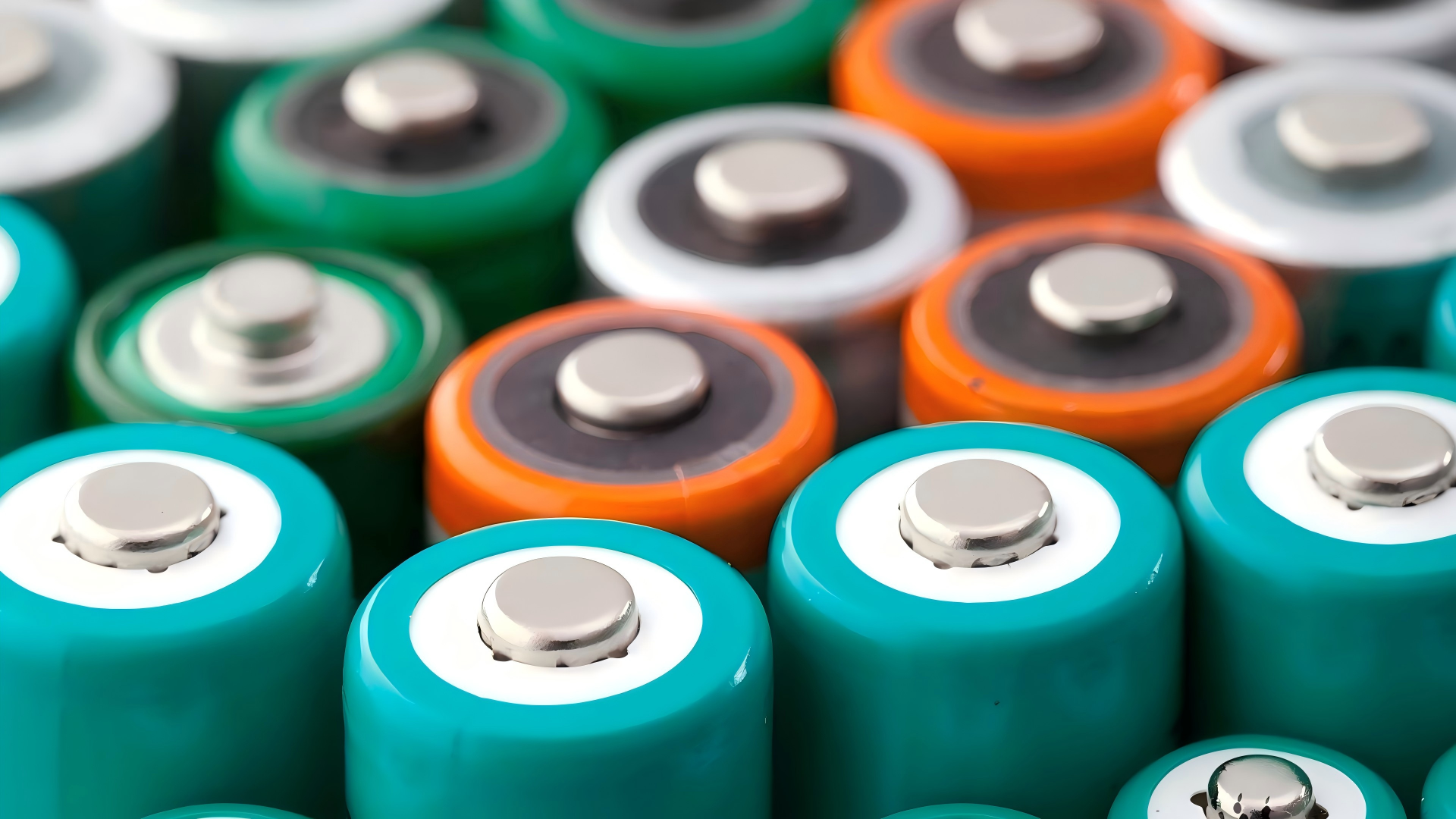
3. Cell Type
Cell type determines the core performance characteristics of the battery pack, requiring selection based on the primary challenge of the application scenario.
Comparison of Four Mainstream Cell Types:
Lithium Cobalt Oxide (LiCoO2):
– Advantages: Highest energy density (150-200Wh/kg), suitable for space-constrained scenarios
– Disadvantages: Higher cost, limited high-current discharge capability, average thermal stability
– Applications: Smartphones, tablets
Ternary Lithium (NCM/NCA):
– Advantages: High power density, excellent rate discharge performance, relatively high energy density (140-180Wh/kg)
– Disadvantages: Thermal stability inferior to LFP
– Applications: Power tools, drones, e-bikes
Lithium Iron Phosphate (LFP):
– Advantages: Longest cycle life (2,000+ cycles), best thermal stability, lower cost
– Disadvantages: Lower energy density (100-140Wh/kg), larger volume
– Applications: Portable energy storage, medical device backup power, industrial equipment
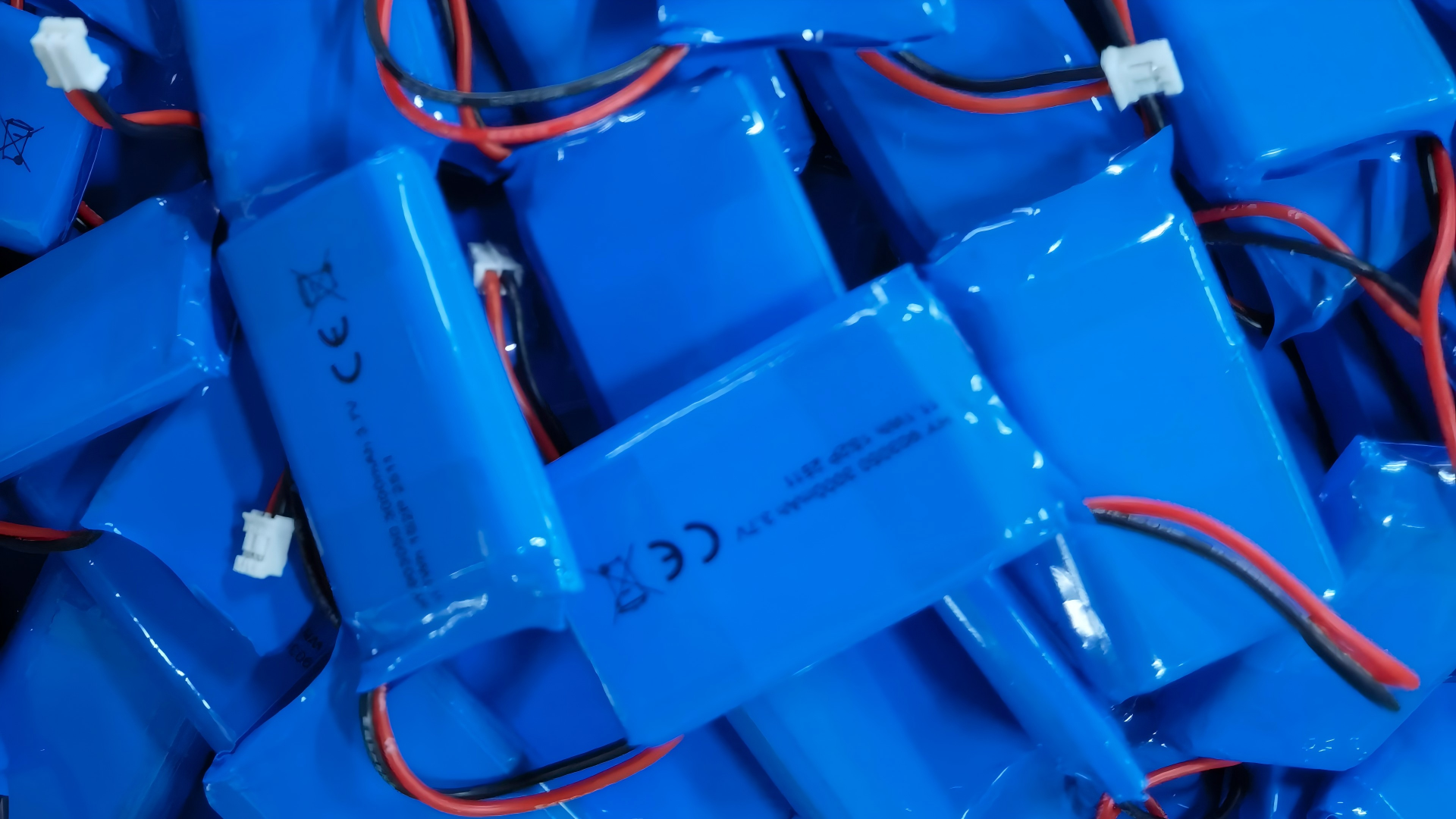
Polymer Lithium (LiPo):
– Advantages: Customizable ultra-thin and special-shaped packaging, lightweight
– Disadvantages: Energy density slightly lower than LCO, higher cost
– Applications: Smart wearables, ultra-thin devices, special-shaped battery requirements
4. BMS Functionality
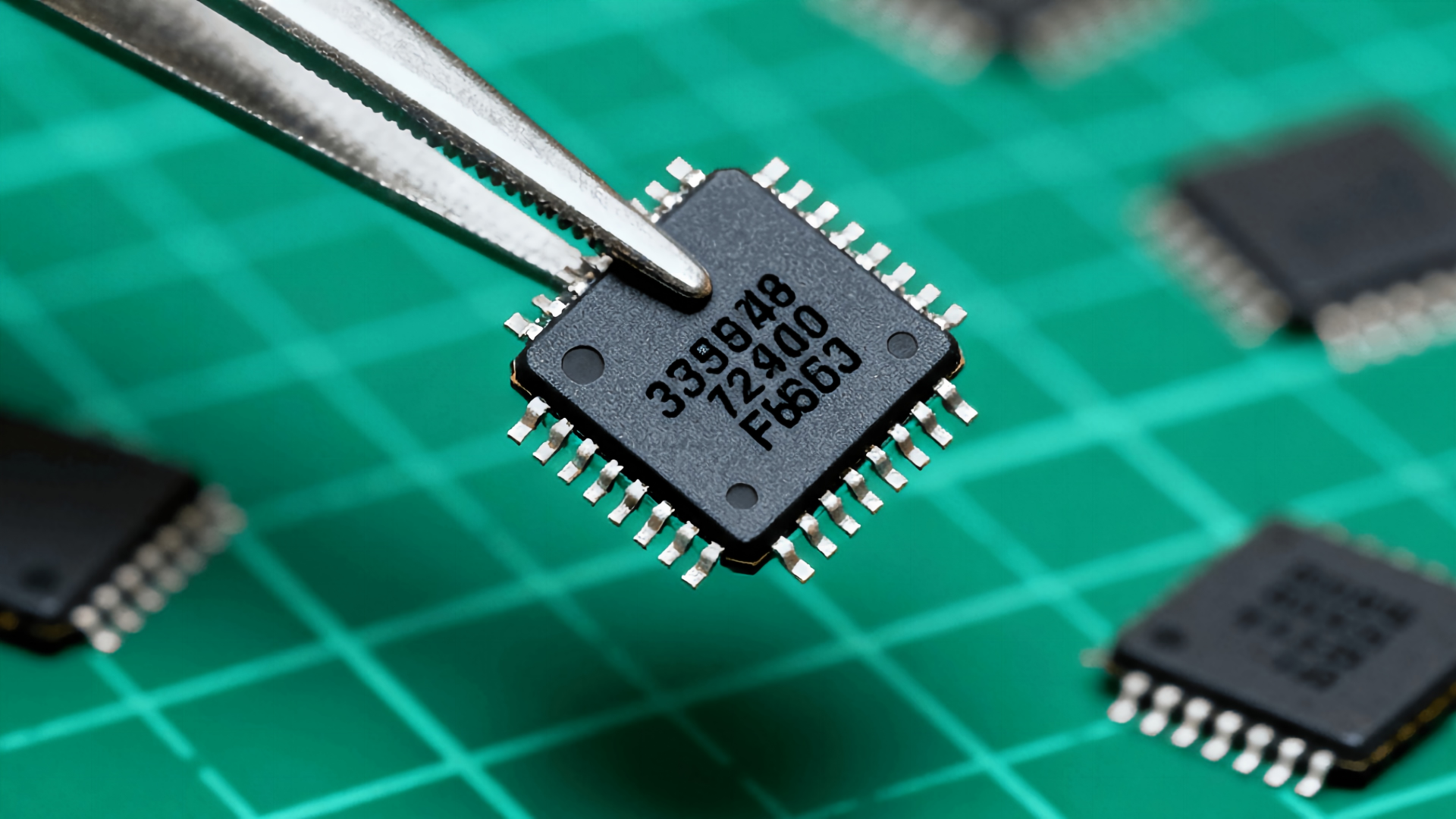
BMS (Battery Management System) is the “brain” of the battery pack, determining safety and intelligence levels. Selecting the appropriate functional tier based on application needs is critical.
Basic Protection Type:
– Functions: Overcharge protection, over-discharge protection, overcurrent protection, short-circuit protection, temperature protection
– Applications: Standard consumer electronics, power banks
– Characteristics: Low cost, no communication function
Smart Communication Type:
– Functions: Basic protection + SOC (state of charge) estimation, SOH (state of health) estimation
– Communication: I2C, UART
– Applications: Smartphones, smart wearables, laptops
– Characteristics: Can communicate with host, supports power display and smart management
Advanced Management Type:
– Functions: All smart type functions + active balancing, cycle counting, fault logging
– Communication: CAN, RS485, SMBus
– Applications: Power tools, industrial equipment, portable medical devices
– Characteristics: Most comprehensive functionality, supports complex system management
5. Dimensions & Structure
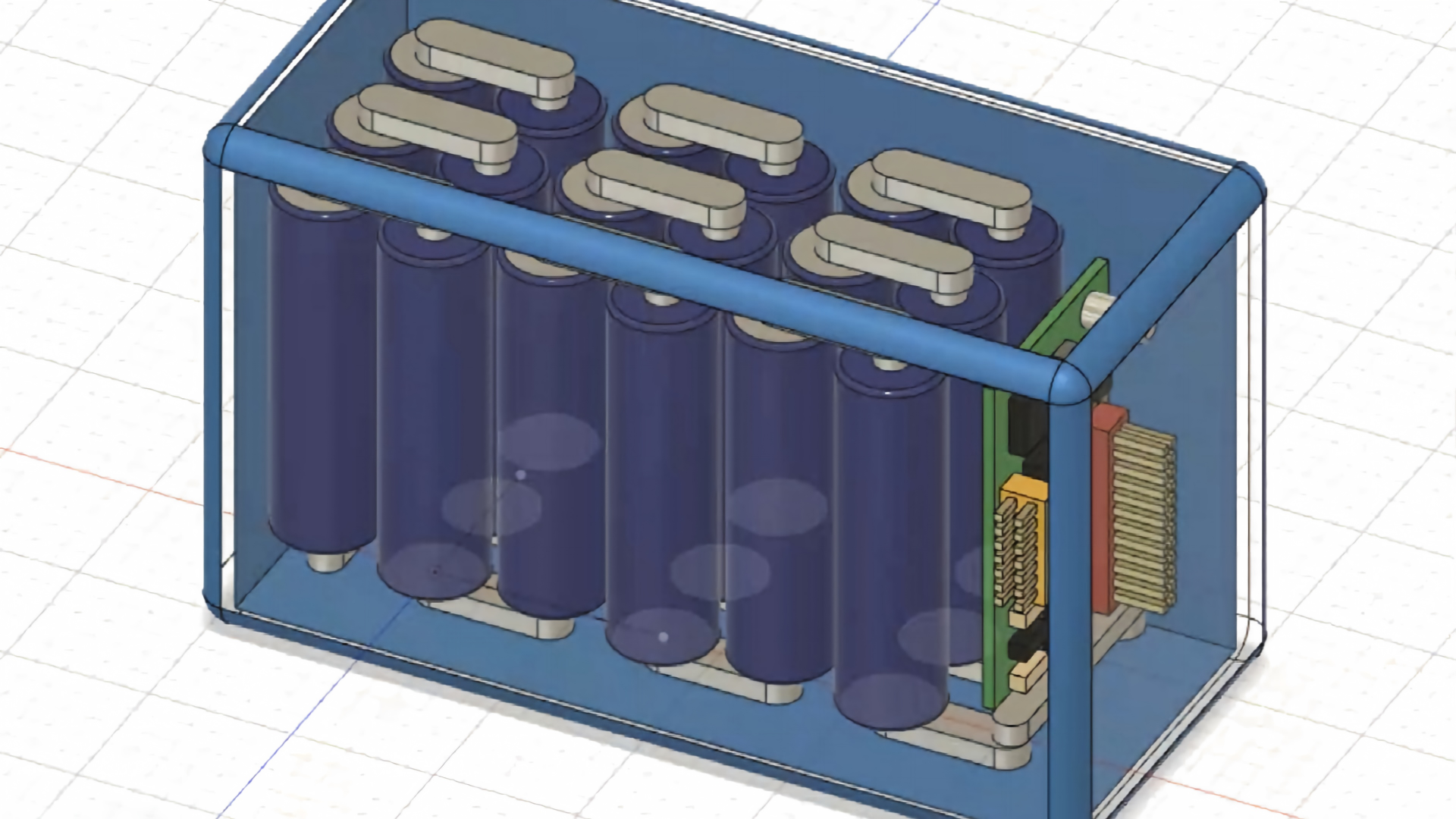
The physical dimensions of the battery pack are constrained by the product’s internal space, making this the parameter with the strongest customization demand.
Selection Key Points:
– Precisely measure the installation space (length × width × thickness), reserving 0.3-0.5mm assembly clearance
– Special-shaped packaging requires 3D drawings with key dimensional tolerances marked
– Enclosure material selection: Plastic (lightweight, low cost), metal (good heat dissipation, high strength), aluminum laminate film (ultra-thin, flexible)
– Connector selection: Must match the motherboard connector model, pin definition, and installation orientation
6. Operating Environment
The operating environment determines the material selection and protection scheme of the battery pack.
Temperature Range:
– Standard type: -10°C to 45°C (conventional consumer electronics scenarios)
– Wide temperature type: -20°C to 60°C (outdoor equipment, power tools)
– Ultra-wide temperature type: -40°C to 80°C (special industrial, military scenarios)
Waterproof/Dustproof Rating:
– IP54: Splash-resistant, dust-protected (indoor equipment)
– IP65: Water jet resistant, dust-protected (outdoor portable equipment)
– IP67: Brief immersion (outdoor harsh environment equipment)
– IP68: Continuous immersion (underwater equipment)
7. Certification Requirements
Certification requirements are determined by the target sales market and are a key factor affecting project timeline. Certification testing must be planned during the design phase to avoid rework at mass production due to certification failures.
Core Certification List:
– UN38.3 (mandatory): Lithium battery transport safety certification; without this, products cannot be shipped
– MSDS (mandatory): Material Safety Data Sheet
– CCC (mandatory for China market)
– CE (mandatory for EU market)
– PSE (mandatory for Japan market)
– KC (mandatory for Korea market)
– IEC 62133-2 (international, CB certification system)
– UL 2054/1642 (North American market, practically required)
—
III. Seven-Step Customization Process
Step 1: Requirements Communication (1-3 days)
– Clarify voltage, capacity, dimensions, BMS functionality, certification requirements, and production volume
– Provide Product Requirements Document (PRD) and spatial structure drawings
Step 2: Solution Design (3-7 days)
– Supplier provides a battery pack proposal including cell selection, BMS scheme, structural design, and quotation
– Both parties confirm the solution and sign a technical agreement
Step 3: Cell Selection & Procurement (1-2 weeks)
– Determine cell model, brand, and specifications based on the approved solution
– Cell procurement typically takes 1-3 weeks (depending on model and inventory)
Step 4: BMS Development & PCB Prototyping (1-2 weeks)
– BMS schematic design and review
– PCB layout design and prototyping
– BMS functional testing and verification
Step 5: Sample Verification (2-4 weeks)
– Produce hand-made samples or small batch samples
– Conduct electrical testing, charge/discharge testing, environmental testing, and safety testing
– Sign sample confirmation after all tests pass
Step 6: Certification Support (concurrent, 2-6 weeks)
– Send samples to certification labs for UN38.3, CE, and other tests
– Certification typically takes 2-6 weeks; complex certifications may take longer
Step 7: Mass Production Delivery (20-35 days)
– Tooling/fixture fabrication
– First Article Inspection (FAI)
– Mass production and full inspection before shipment
—
IV. Common Pitfalls & Avoidance Guide
Pitfall 1: Focusing Only on Price, Ignoring Cell Grade
Cells are classified as Grade A (brand new, genuine), Grade B (substandard), and recycled cells (recovered from used devices). The price difference between Grade A and Grade B can be 30%-50%, but Grade B cells are far inferior in consistency, cycle life, and safety. Low-price quotes often imply the use of Grade B or recycled cells.
Avoidance Advice: Explicitly require the supplier to use Grade A cells, and specify cell brand, model, and batch traceability requirements in the contract.
Pitfall 2: Ignoring Pre-planning for Certifications
Many teams only consider certifications late in product development, only to find that the battery pack design doesn’t meet certification requirements, requiring BMS or structural modifications that cause delays.
Avoidance Advice: Incorporate certification requirements during the solution design phase, ensuring BMS protection parameters, cell model, and structural design comply with target certification standards.
Pitfall 3: Insufficient BMS Functionality
Choosing basic protection BMS to save costs can result in devices unable to display accurate battery levels, unable to communicate with the host, or even safety issues due to insufficient protection.
Avoidance Advice: Select BMS tier based on product functional requirements; smart devices should use at least the smart communication type BMS.
Pitfall 4: Not Considering Temperature Effects on Lifespan
Battery cycle life is significantly shortened in high-temperature environments. Cycle life at 45°C may be reduced by more than 50% compared to 25°C.
Avoidance Advice: Select appropriate cell chemistry and BMS thermal management strategy based on the product’s actual operating temperature environment. For high-temperature scenarios, add temperature sensors and thermal design.
—
V. Conclusion
3C battery pack customization selection is a systematic engineering effort involving electrochemistry, electronic engineering, structural design, and compliance certification. Mastering the core logic of the seven key selection parameters, following a standardized customization process, and avoiding common pitfalls are essential to achieving the optimal balance of performance, safety, cost, and delivery timeline in a battery pack solution.
It is recommended to involve a professional battery pack supplier early in the project for joint design, leveraging the supplier’s engineering experience to mitigate technical and project risks from the outset.
[Image Notes: This article recommends 3-4 images — Selection Decision Flowchart (from requirements to mass production), Four Cell Types Performance Comparison Radar Chart, Seven-Step Customization Process Timeline]
—
Data Sources & Technical References:
1. Cell type performance parameters (LCO 150-200Wh/kg, NCM 140-180Wh/kg, LFP 100-140Wh/kg, etc.) — BTR material specifications, Cinda Securities “Full-Pole Ears Boost Cylindrical Battery Revival” research report
2. UN38.3 certification requirements — UN “Recommendations on the Transport of Dangerous Goods” Section 38.3
3. BMS functional tiers (basic protection / smart communication / advanced management) — IEC 62660-2 standard and industry technical specifications
4. Grade A/B cell price difference (30%-50%) — Comprehensive industry estimates
5. 100Wh air transport limit — International Air Transport Association (IATA) Dangerous Goods Regulations